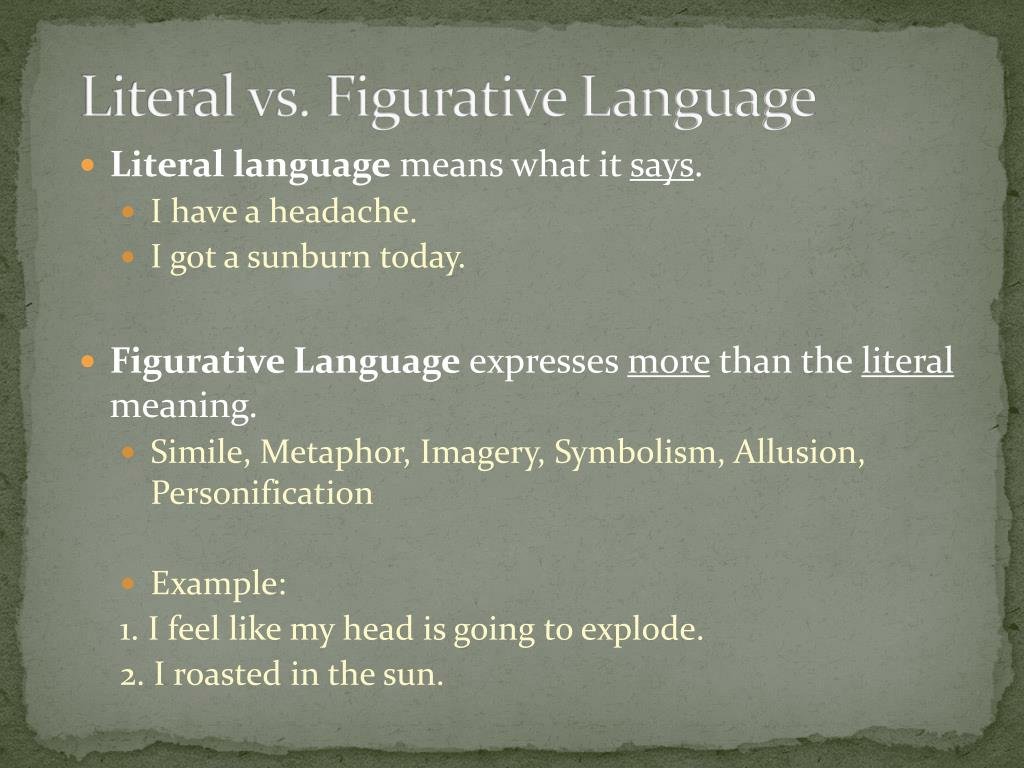
Few words in the biblical lexicon spark as much debate and diverse interpretation as "generation." From genealogies that meticulously list descendants to prophetic warnings about "this generation," understanding whether a passage calls for a literal vs. figurative interpretation of 'generation' in Scripture isn't just an academic exercise—it profoundly shapes our understanding of history, prophecy, and even our spiritual identity. It's the difference between seeing a simple timeline and uncovering a deep, symbolic truth.
So, how do you navigate this complex terrain without getting lost in translation? Let's unpack it.
At a Glance: Decoding "Generation" in the Bible
- "Generation" is a flexible term: It can refer to a specific time span (e.g., 40 years), a group of people living at one time, a lineage, or even a moral character.
- Literal interpretations: Focus on direct, historical, or chronological meanings—like a family tree or a distinct period of years.
- Figurative interpretations: Look for deeper, symbolic, or metaphorical meanings—like a "wicked generation" representing a moral disposition, not just a time period.
- Both are valuable: Neither approach is inherently superior; the best method depends on the passage's context, genre, and author's intent.
- Context is king: Always consider who wrote it, to whom, why, and what kind of literature it is (history, poetry, prophecy, parable).
- Beware of bias: Our preconceived notions can inadvertently color our reading. Approaching Scripture with an open, inquiring mind is crucial.
The Dynamic Nature of "Generation" in Biblical Texts
Imagine trying to explain "age" today. It could mean your birth year, an era (like the "digital age"), or even a geological period. Similarly, the Hebrew dor and Greek genea (often translated as "generation") are incredibly versatile words in the Bible. They rarely have a single, fixed meaning, which is precisely why they demand our careful attention.
These terms can denote:
- A chronological span: A period of time, often roughly 40 years, or sometimes 70-80 years, as noted in Psalm 90:10.
- A specific group of people: Those living concurrently, sharing common experiences or characteristics.
- A lineage or ancestry: A family line, from father to son (e.g., "the generations of Adam").
- A moral or spiritual disposition: A "kind" of people, often characterized by their faith or lack thereof.
This inherent flexibility means we can't simply apply a one-size-fits-all definition. Instead, we must become skilled detectives, examining the clues within each passage to discern its intended meaning.
Unpacking the Literal Lens: When "Generation" Means What It Says
Literal interpretation, in its simplest form, means taking the words at face value. When applied to "generation," this approach seeks the most straightforward, historical, or chronological understanding. It's like reading a newspaper headline—you expect it to report an event as directly as possible.
For example, when Genesis recounts the "generations of Adam" or "the generations of Noah," it's clearly detailing a literal lineage, a family tree showing direct descendants. Similarly, passages describing the lifespan of individuals or the number of years between key events often refer to generations in a literal, chronological sense. Job 42:16, for instance, tells us Job "saw his children, and his children's children, four generations." This is a direct count of family lines.
A literal understanding might also define a "generation" as a specific, measurable period of time. This is especially relevant when passages discuss the length of a generation. How long is a biblical generation? This question often arises in discussions about prophecy and the timing of events, where a concrete timeframe can be crucial. In Exodus 1:6, we read that "Joseph died, and all his brothers and all that generation," referring to the specific group of people who lived during Joseph's time. These instances ground the text in historical reality, emphasizing the factual and verifiable aspects of the narrative.
Exploring the Figurative Canvas: Beyond the Obvious Meaning
Figurative interpretation, on the other hand, acknowledges that language is rich with metaphor, symbolism, and allegory. It looks beyond the surface words to uncover deeper spiritual truths or broader meanings that might not be immediately apparent. When "generation" is used figuratively, it often describes a type of people, a shared character trait, or even an era defined by a particular moral climate, rather than a strict chronological group.
Consider the repeated biblical phrase "a wicked and perverse generation" (e.g., Deuteronomy 32:5, Matthew 12:39). Here, "generation" isn't defining a specific 40-year span or a family line. Instead, it’s a descriptor of moral character, a spiritual state shared by a group of people, regardless of their birth year. Jesus Himself frequently used "generation" in this sense to critique the unbelief and stubbornness of His contemporaries. He wasn't saying everyone born between year A and year B was inherently evil; He was addressing the moral and spiritual condition prevalent among those who rejected Him.
Another powerful example is found in the prophets, who often use collective terms symbolically. A "generation" can represent an entire era or a consistent pattern of behavior across different time periods. Understanding these symbolic uses requires a willingness to engage with the poetic and metaphorical nature of biblical language. Many of the Bible's most profound truths are conveyed not through dry fact but through vibrant imagery and allegory and symbolism.
Why Interpretation Matters: Bridging the Divide
The choice between a literal and figurative interpretation of "generation" isn't merely academic; it has profound implications for theology, eschatology (the study of end times), and how we live our lives.
Take Matthew 24:34, where Jesus states, "Truly, I say to you, this generation will not pass away until all these things take place." This verse has generated centuries of debate.
- Literal interpretation: If "this generation" refers to the specific group of people listening to Jesus, then His prophecy about His return should have been fulfilled within their lifetime. This leads some to conclude that Jesus was mistaken, or that the prophecy referred only to the destruction of Jerusalem in A.D. 70.
- Figurative interpretation: If "this generation" refers to "this kind of generation"—an unbelieving, disobedient generation—then the prophecy refers to the characteristics that will persist until His return, not a specific time frame. Alternatively, some interpret "generation" as the Jewish people as an ethnic group, who will not pass away until all prophecies are fulfilled.
The divergence here illustrates how different interpretive choices lead to vastly different theological conclusions about the reliability of prophecy and the timing of Christ's return. It underscores why a nuanced approach to interpreting prophetic language is so vital.
Decision Criteria: When to Lean Literal, When to Embrace Figurative
So, how do you decide which approach is appropriate for a given passage? It's less about choosing one over the other permanently and more about developing a balanced understanding, allowing the text itself to guide you. The seasoned interpreter doesn't impose a meaning but seeks to discover it.
Context is King: Genre, Author's Intent, Original Audience
The most crucial factor is context. Think of yourself as an archaeologist, carefully uncovering layers of meaning.
- Genre: Is the passage historical narrative (like Genesis), poetry (like Psalms), prophecy (like Isaiah or Revelation), or didactic teaching (like the Gospels or Epistles)? Historical books tend to lean literal, while poetic and prophetic books are rich with figurative language. You wouldn't read a poem like a legal document, right? Similarly, understanding biblical genres helps set your interpretive lens.
- Author's Intent: What was the original author trying to convey to their original audience? Did they intend to provide a strict timeline or a moral lesson? For example, when the Psalmist writes about a "generation of those who seek him" (Psalm 24:6), the intent is clearly to describe a spiritual characteristic, not a birth cohort.
- Original Audience's Understanding: How would the first hearers or readers have understood "generation" in their cultural and linguistic context? This often points to the most natural interpretation.
Linguistic Cues & Canonical Harmony
Beyond context, look for internal clues within the language itself and how the passage fits within the broader biblical narrative.
- Linguistic Cues: Are there modifiers? Does it say "a generation of forty years" (literal time) or "a stubborn and rebellious generation" (figurative character)? Phrases like "all that generation" (Exodus 1:6) suggest a literal, contemporary group. On the other hand, metaphorical language surrounding "generation" often signals a figurative meaning.
- Canonical Harmony: Does your interpretation align with the rest of Scripture? Does it contradict other clear teachings? A figurative reading of "generation" in Matthew 24:34, for example, often aligns better with other passages describing the timing of Christ's return as unknown. Sound the role of context in Scripture extends to the entire biblical canon.
Navigating Common Passages: Interpretive Challenges
Let's look at some specific examples to illustrate these principles:
- Genesis 5 (Genealogies): "This is the book of the generations of Adam..." Here, "generation" (or "generations") is unequivocally literal, referring to the chronological lineage of descendants. The context is historical record keeping.
- Psalm 14:5 ("an evil generation"): "There they are, in great terror, for God is with the generation of the righteous." This is clearly figurative. The Psalmist isn't referring to a specific chronological group of "good" people but rather to those characterized by their righteousness, in contrast to the "evil generation" he describes. The poetic genre and moral descriptors are key indicators.
- Matthew 24:34 ("this generation"): As discussed, this is a prime example of interpretive friction. Without clear internal linguistic cues pointing solely to a time span or a moral character, interpreters must weigh the implications of both literal and figurative readings against the broader context of prophetic literature and the rest of Jesus' teachings.
Avoiding Pitfalls: Mindset and Biases
Interpreting Scripture is a profound responsibility, and it's easy to fall into traps.
- Preconceived Notions: We all bring our own beliefs and experiences to the text. Be honest about your biases. Are you trying to make the Bible fit your desired outcome, or are you genuinely seeking its original meaning?
- Ignoring Context: Ripping a verse out of its surrounding chapters, book, or even the broader biblical narrative is a recipe for misinterpretation.
- Over-spiritualizing: Not everything is a hidden code. Sometimes, the literal meaning is the intended meaning.
- Dogmatism: Holding too rigidly to one interpretation when the text allows for ambiguity can close you off to deeper understanding. An open mind, willing to consider different perspectives, is invaluable in hermeneutics and exegesis.
Integrating Both Approaches for Richer Understanding
The best biblical interpretation doesn't pick a "team"—literal or figurative—and stick with it blindly. Instead, it recognizes that the Bible is a divinely inspired, yet humanly communicated, work that employs a full spectrum of literary devices. A balanced approach means:
- Starting with the literal: Always begin by asking, "What does this text say at face value?" This grounds your understanding in the straightforward meaning.
- Moving to the figurative when warranted: If the literal meaning seems nonsensical, contradictory, or doesn't fit the genre or context, then explore figurative possibilities. Does the passage use metaphor, simile, or allegory?
- Prioritizing authorial intent: The goal is always to understand what the original author intended to communicate to their original audience.
- Embracing complementarity: Recognize that a passage might have both a literal historical setting and a deeper, timeless spiritual truth conveyed through figurative language. The crucifixion of Jesus, for instance, was a literal historical event, but it carries profound figurative and salvific meaning beyond just the physical act.
By integrating both literal and figurative interpretations of "generation," you unlock a richer, more nuanced understanding of God's Word. You learn to appreciate the historical precision of the genealogies as well as the profound moral commentary within the prophetic warnings. This holistic reading enhances your knowledge, deepens your faith, and sharpens your ability to apply biblical teachings to your life with wisdom and clarity.
Practical Steps for Your Own Study
Ready to refine your interpretive skills? Here's how to approach "generation" (and any other challenging biblical term) in your personal study:
- Read the passage multiple times: Don't rush. Let the words sink in.
- Examine the immediate context: What comes before and after? What is the main point of the paragraph or chapter?
- Consider the book's overall message and genre: Is it narrative, poetry, law, prophecy, or epistle? How does this type of literature typically use language?
- Cross-reference other uses of "generation": Look up other occurrences of dor or genea in a concordance. How is it used elsewhere in similar contexts?
- Consult reliable commentaries: After your own study, see how trusted scholars have interpreted the passage. Compare different viewpoints.
- Pray for discernment: Ask for wisdom and humility in your understanding.
By applying these principles, you move beyond surface-level readings and engage with the Bible as a living, dynamic text designed to transform. You’ll become a more confident and discerning reader, capable of appreciating the depth and complexity of God's revealed truth, whether it's literal, figurative, or a beautiful blend of both.